Beach Cruisers
Increasingly PopularWhat's the difference?
- More Stylish!
- More Comfortable!
- More Variety!
- More Fun!
Ride The Wind With A Cruiser Bike
Why a Cruiser Bike?
A cruiser bike often represents adventurous rides, sporty looks, and extraordinary comfort, not to mention one of the most unique riding experiences ever. In recent years, the popularity of these bikes has been increasing exponentially all around the world. Thanks to their unique styling and amazing looks, they are capable of capturing people’s attention at first glance as they ride along the beach or near the downtown street scene.
Built to Last
These bikes are a joy to ride. Not only are they sophisticated and elegant, but they’re also top notch as far as their functionality and performance is concerned. These bikes are also known for their durability, whether for a short stroll in the neighborhood or on a longer journey. They are capable of handling all kinds of riding with considerable ease.
A Unique Experience
Cruiser bikes, being colorful and stylish, have created their own image of freedom, expression, and a little rebellion. They allow you to express your own personality. Its large handlebars, leather seats, and exhilarating gear setups are known to provide riders with a one-of-a-kind cruising experience they’ve never had before. Imagine taking your cruiser for a spin in the neighborhood or on a long adventurous ride, and all eyes following you.
Beach Bike Benefits
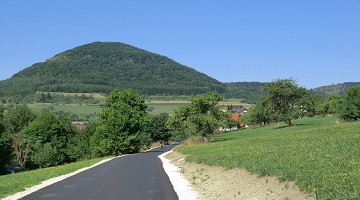
For all those adventurous souls out there, this bike represents a sense of freedom. When moving through highlands or lush green outfields, tough terrains or by the beachside, the whish of fresh air is bound to free your mind, body, and soul.

Most cruiser bikes are convertible and can be customized to suit one’s needs and style. Whether it’s the amazing colors or unique designs, gearing, or body parts, most of its components can be altered to suit your taste and give it a personal statement.

If you’re convinced that a beach cruiser bike is right for your style and personality, try test riding one before you buy. Not many test riders can resist the urge to buy one shortly after experiencing all the benefits these bikes have to offer. Get yours today!